About Bed Bugs

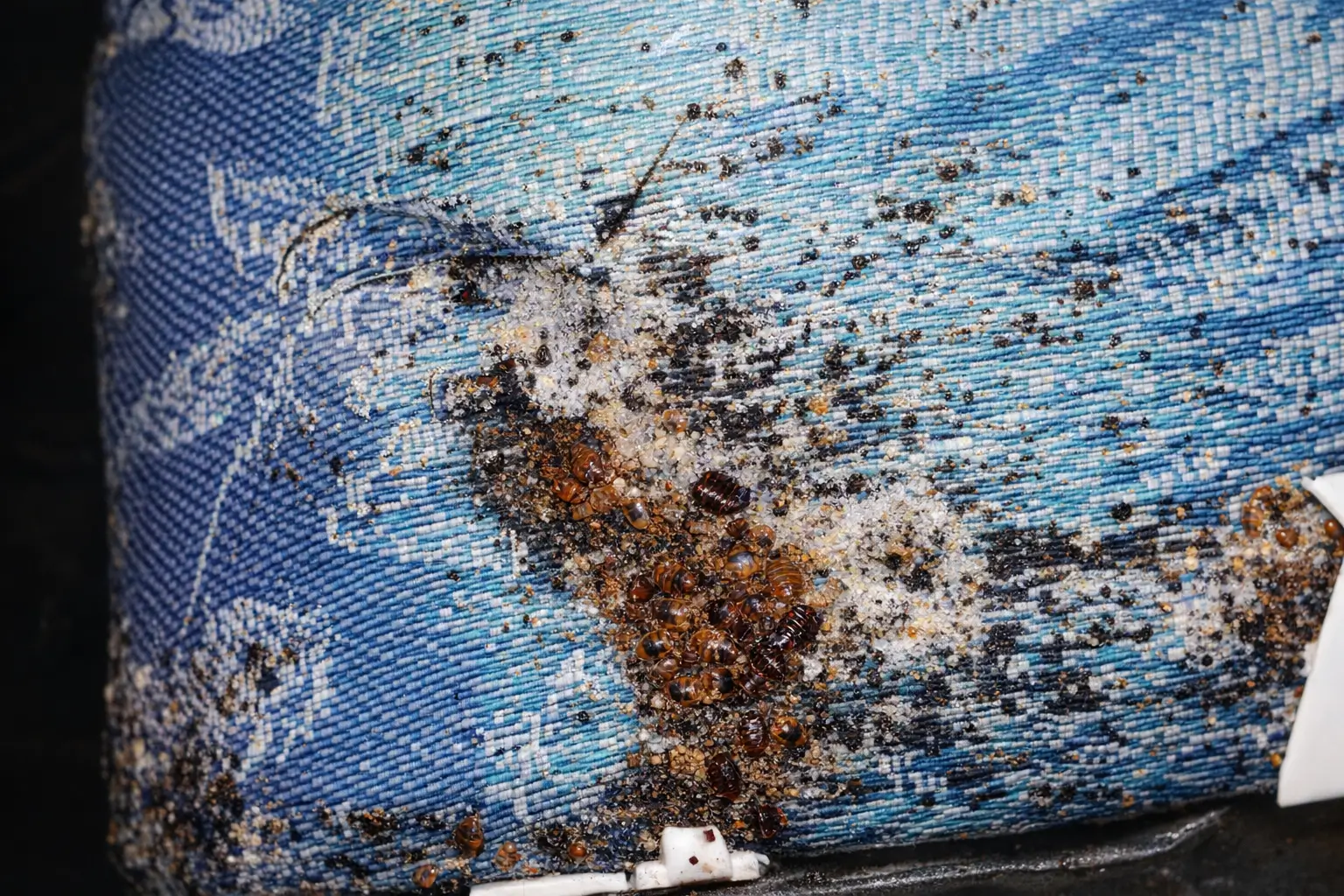
Bed bugs are quite hardy and contagious, allowing them to spread quickly, hide effectively, and escape detection until infestations are extensive.

Overview

Understanding Bed Bugs

Bed Bugs are blood-sucking pests that live in close association with humans. They are not affected if the place is clean. They may infest an area long before reporting symptoms occur. Bed Bugs can go into a state of dormancy for 15 months once they have fed on blood.
Impact

Effects on Humans

Common Warning Signs

Bed bugs are not easily visible to the eye. They like to hide deep in furniture. Knowing how to look for telltale signs can be helpful.

Unexplained Bites

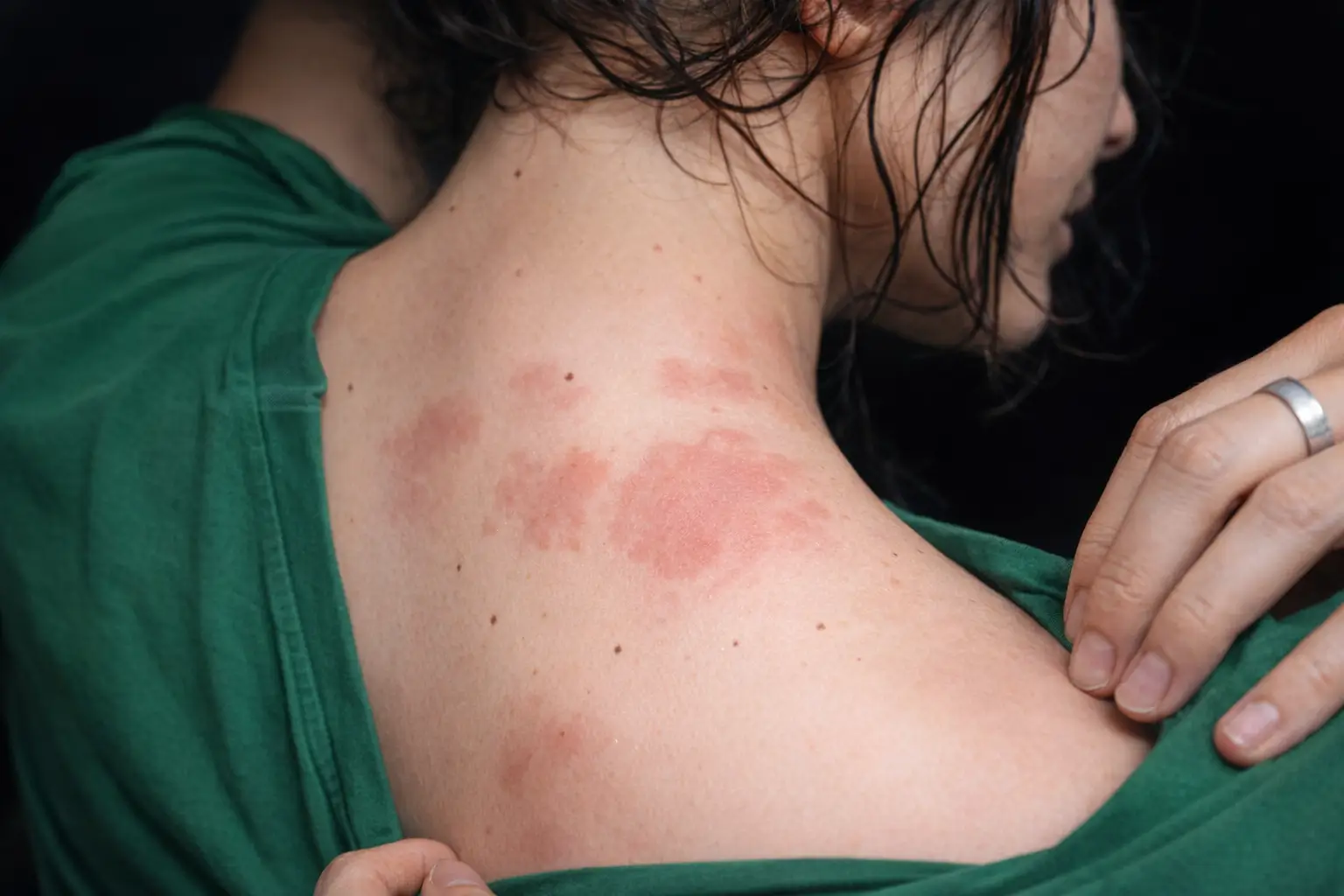
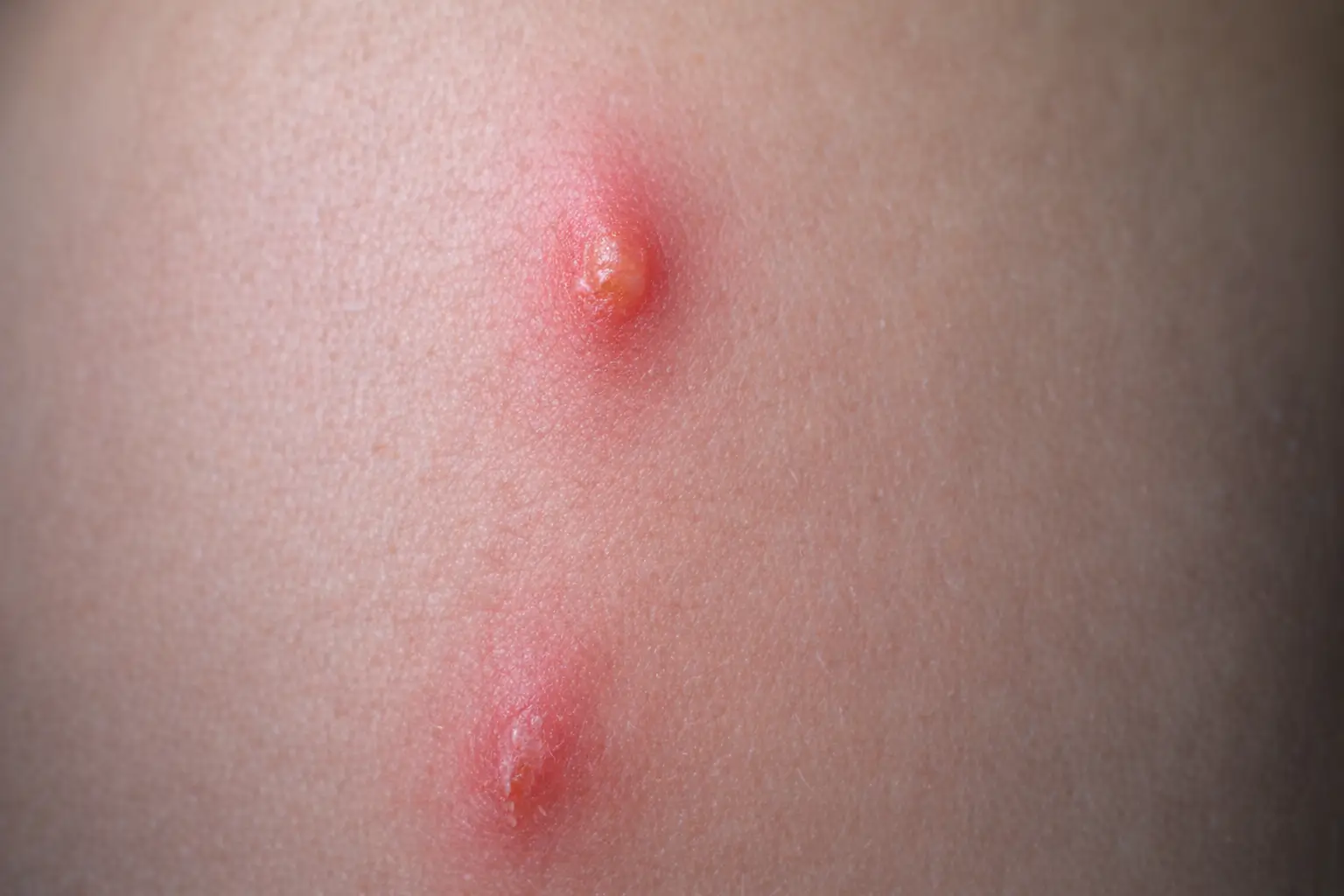
Small, itchy red marks often appear in lines or clusters after sleeping.

Live Sightings

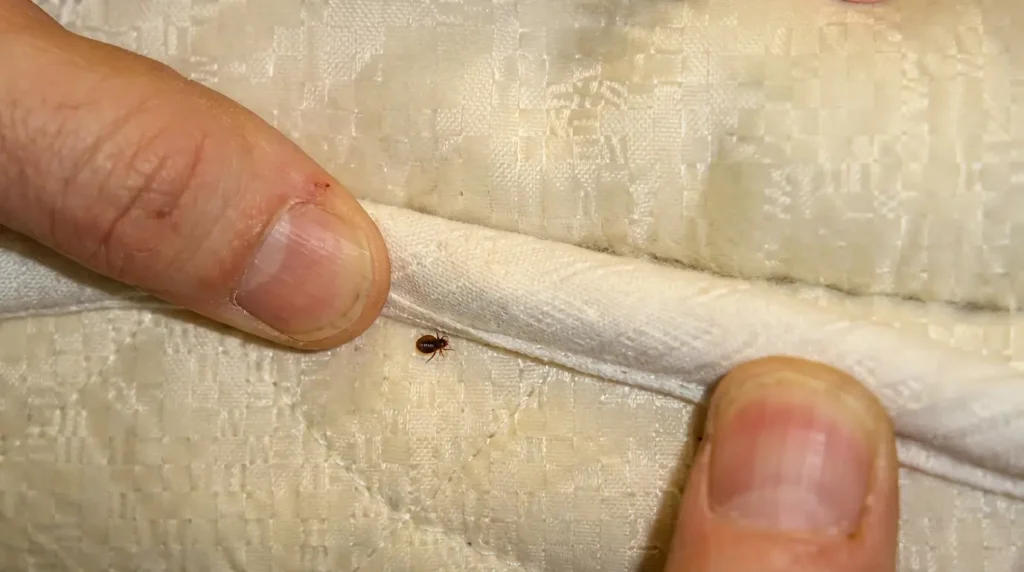
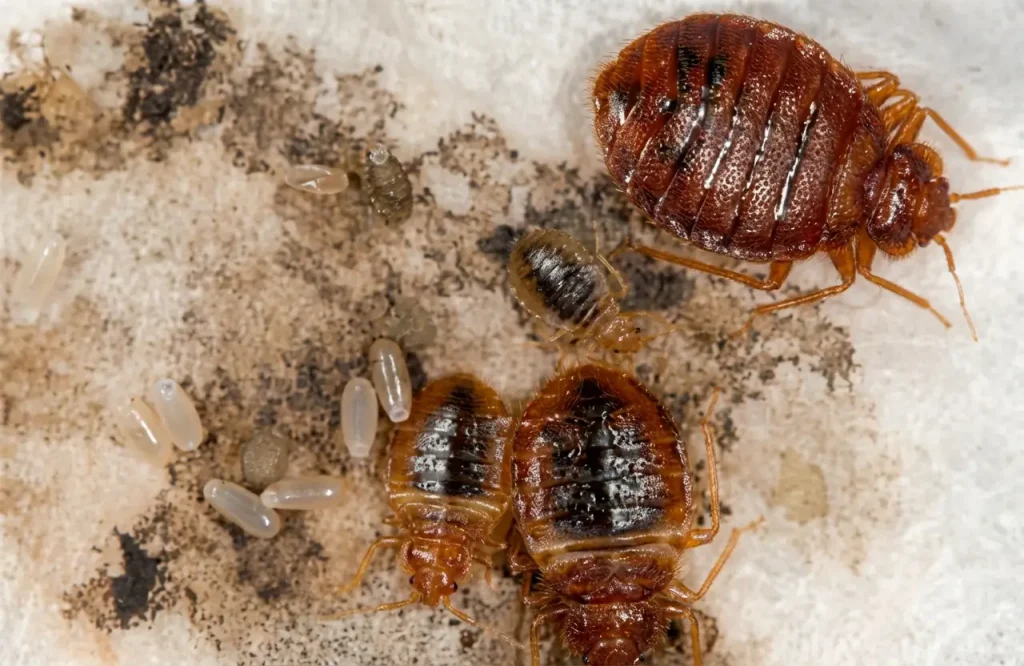
Adult bed bugs, nymphs, or shed skins found near beds or seating areas.

Dark Spotting

Small black marks from droppings are visible on fabrics, frames, or mattress seams.

Musty Odour

A faint, sweet or musty smell is often present in rooms with heavier infestations.

Common Hiding Places

Bed bugs hide in tight, dark spaces near resting or seating areas, making professional detection essential.

Bed Structures

Frames, headboards, joints, fixings, and screw holes close to sleeping positions.

Fabric Edges

Curtains, mattress piping, seams, labels, and folded fabric edges.

Soft Furnishings

Upholstered chairs, sofas, cushions, and fabric-covered seating areas.

Structural Gaps

Skirting boards, wall cracks, electrical outlets, and nearby hidden voids.

Get Clear Answers Early
If the presence of bed bugs is suspected or a verification check is necessary, expert analysis is the best way to establish their existence and help prevent unnecessary disruptions.